
Early secondary repair:
What can you do in case of suture breakdown?
Are you prepared to handle wound dehiscence in postpartum care?
Gain confidence in addressing postpartum complications with expert-led lessons and real-life clinical examples
Early secondary repair of obstetric lacerations is a clinical field in rapid development. More and more clinics offer early resuturing in case of complications, underdiagnosis, or suture breakdown. For this purpose, doctors and midwives are trained in performing secondary repairs, as a clinical specialist function. Protocols and treatment regimes are developed. In this course, we have gathered the experience of from Aarhus University hospital, where they have checked the stitches in more than 48,000 women, and offered early secondary repair when needed, since 2013.
We present a wide range of clinical cases with secondary repair of labial tears, perineal tears 1st- through 4th-degree, and episiotomies.
You can finish the course with a quiz about early secondary repair: 15 questions including a range of clinical cases. The passing score is 80% or more correct answers, and a certificate is saved to your personal profile.
You’ll find the articles that the material is based on in the references-section of the course.
What you’ll learn
- Understand the indications for early secondary repair and make informed decisions based on clinical guidelines.
- Master the step-by-step procedure for secondary repair, from anesthesia to follow-up care.
- Explore a range of clinical cases, covering lacerations from grade 1 to grade 4, with photographic and video documentation to guide your practice.
- Learn strategies to ensure optimal outcomes for patients through timely evaluation and intervention.
Course features and clinical cases with patients
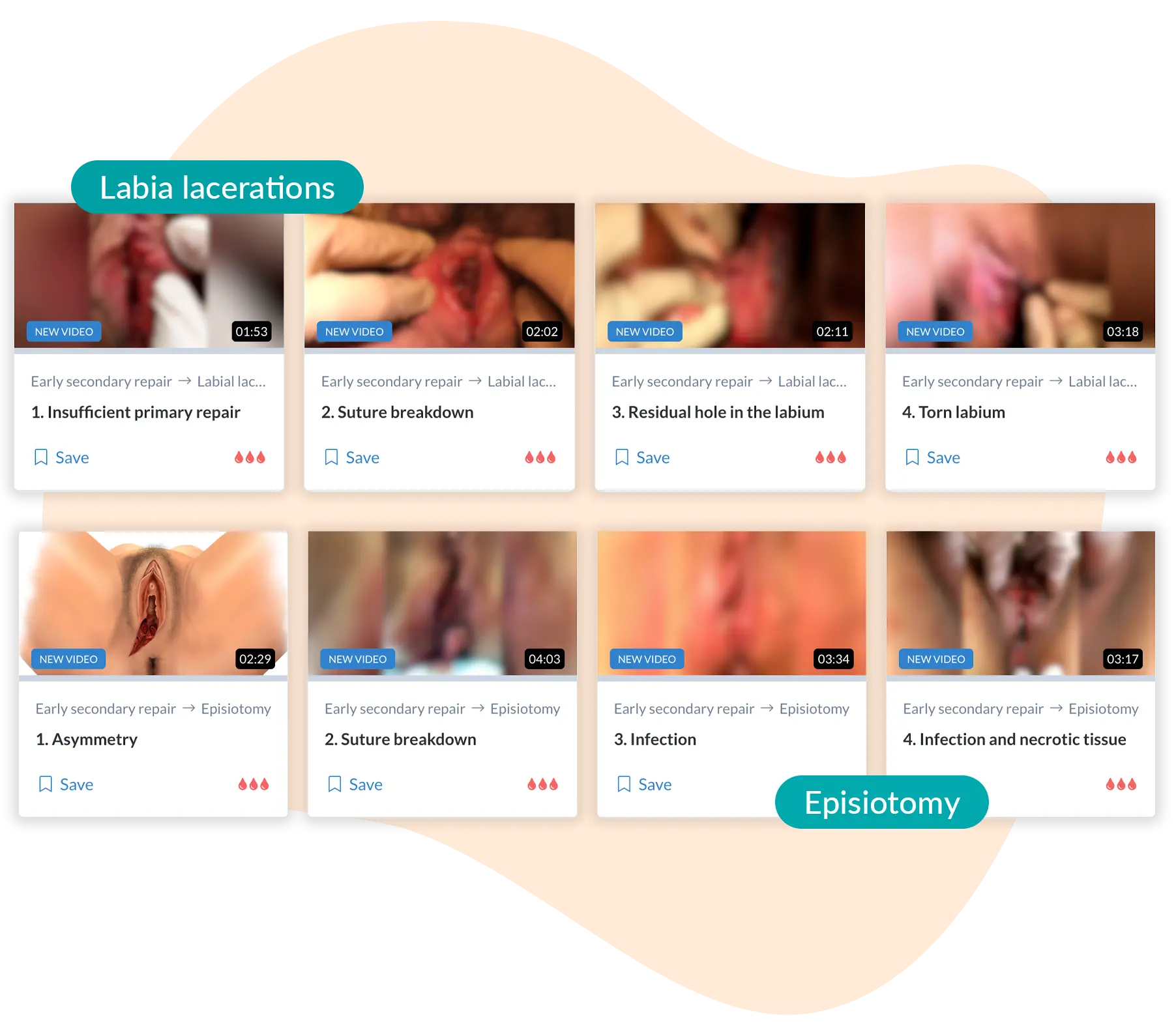
This course is designed for busy professionals and offers the following features:
- Video-based format: High-quality video lessons showcasing real-life procedures in clinical settings
- Self paced learning to fit into your busy schedule
- Extensive clinical cases: See the management of complex perineal lacerations, including infection, misdiagnosis, hematoma and other complications, eraly secondary repairs and late reconstructions performed months or years postpartum
- Photographic documentation: View clear, step-by-step visual guides for each clinical scenario, helping you bridge the gap between theory and practice
- Interactive learning: Test your knowledge with quizzes to solidify your understanding and earn a course certificate upon completion
- Expert insights: Learn from experienced clinicians with years of expertise in postpartum care and secondary repair procedures
Who should take this course?
This course is ideal for:
- Doctors, midwives, and nurses who provide care for postpartum patients.
- Healthcare professionals involved in the evaluation and management of perineal trauma and suture breakdown.
- Students and other professionals looking to enhance their skills in postpartum care and early intervention.
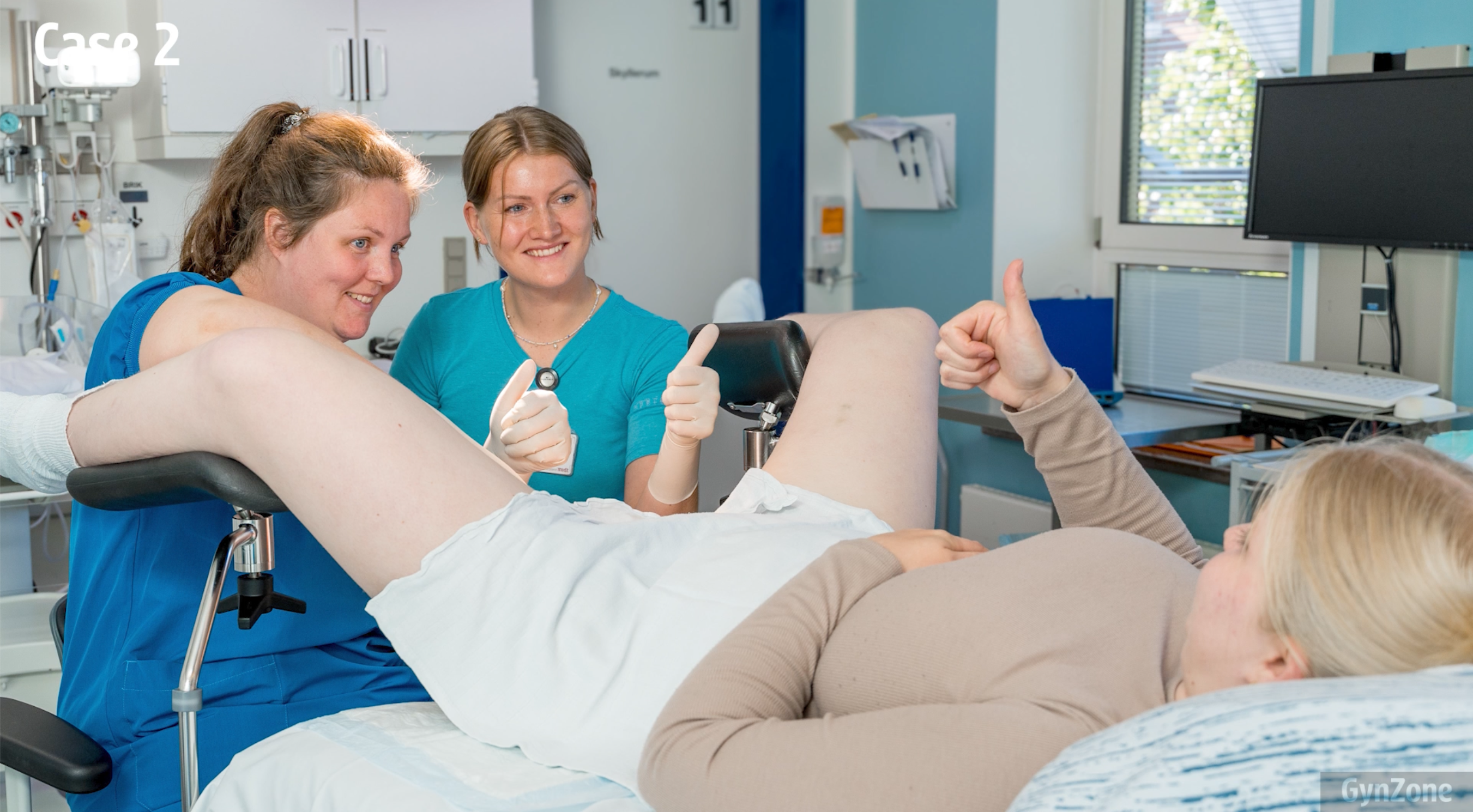
Why this course matters

Imagine if men gave birth to children. And the penis fell off 💥🍆
- Would we offer surgical repairs?
- What standards of training would we provide for the professionals performing the surgery?
- Would we evaluate if the repair was successful?
- And offer a secondary repair if needed?
Since 2013, the team at Aarhus University Hospital has conducted routine postpartum check-ups, examining over 48,000 women. This course is built on the expertise gained from their experience, ensuring you receive evidence-based knowledge and practical guidance that can immediately be applied to your practice.
Case study
Early secondary repair of a 2nd-degree dear with suture breakdown
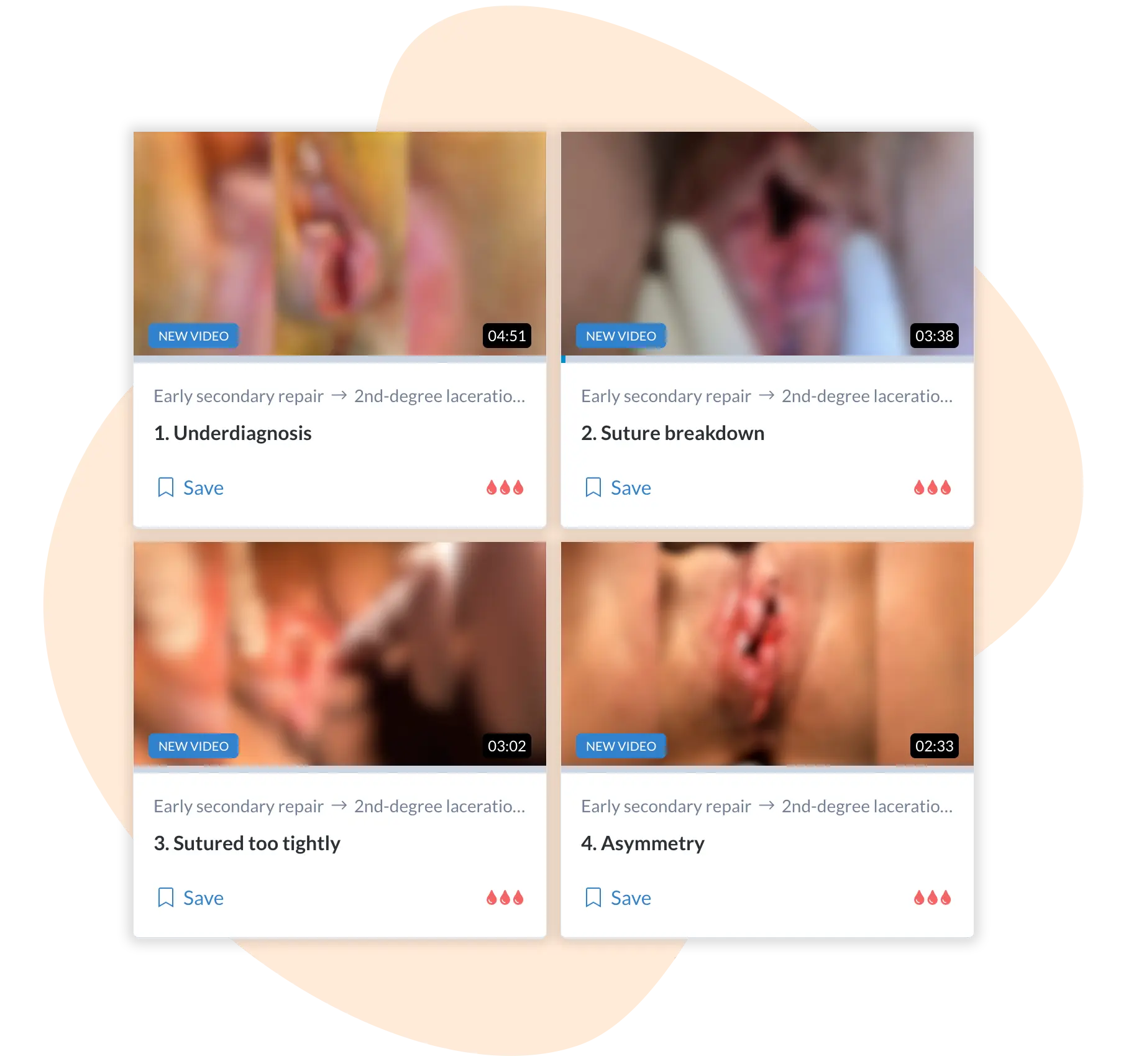
This video contains two clinical cased demonstrating the management of 2nd-degree lacerations with suture breakdown detected during routine postpartum follow-up.
A woman, 2 days postpartum, attended a routine check-up after a grade 2 tear was sutured at birth. Despite initial indications of normal healing, significant vulvar edema complicated the assessment. At a follow-up visit 4 days postpartum, the patient reported discomfort localized to the left labium. Examination revealed irritation caused by a suture, as well as complete suture breakdown of the vaginal and perineal tear. Loose stitches were identified within the tissue.
The patient consented to early secondary repair. After adequate anesthesia, the remaining primary sutures were removed, exposing bleeding wound surfaces. The grade 2 tear was re-sutured successfully. Ice packs were recommended to manage residual perineal swelling.
At a 1-week follow-up, the patient reported no further discomfort, with visible improvements in healing. The vulva appeared symmetrically adapted, and good muscle tone and contraction were noted. The patient expressed satisfaction with the outcome, and the case was concluded.
Authors of the course

Sara Kindberg
Midwife, PhD, Founder of GynZone
Clinical Perineal Care Specialist.
Sara wrote her PhD Thesis on suturing of second-degree perineal trauma in 2008.

Eva Dimon
Midwife, Clinical specialist
Eva specialises in perineal repair and postnatal evaluation of healing.

Marianne Glavind-Kristensen
Urogynecologist, PhD, and expert in the field of pelvic floor reconstruction. Director of gynecology at Aarhus University Hospital in Denmark, and clinician at the interdisciplinary Pelvic Floor Unit.

Karl Møller Bek
Urogynecologist, PhD, Co-founder of GynZone
Scandinavian specialist in the reconstruction of anal sphincter injuries
Karl wrote his PhD Thesis on the diagnosis and treatment of anal sphincter trauma in 1993.